
Problem library
Drainage & Wet Yard Problems we solve in York Region
Standing water, soggy lawns, and wet basements almost always trace back to grading and drainage. With a compact tractor, box blade, and backhoe, most residential drainage problems in York Region's heavy clay soils can be corrected in a day or two.
On this page
- Standing water on the lawn after every rain
- Water pooling against the foundation
- Perpetually soggy lawn on clay soil
- Needing a French drain but dreading hand digging
- Downspout runoff carving ruts across the yard
- Runoff from a neighbouring property crossing your yard
- Roadside or rear-lot ditch filled in and overgrown
- A low, muddy spot that swallows the lawn mower
- Sump pump discharge flooding the same corner of the yard
- Bare slope eroding a little more every storm
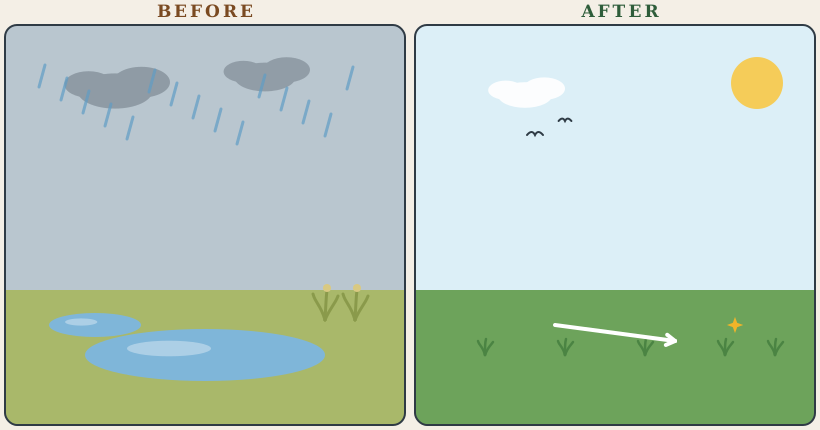
Standing water on the lawn after every rain
If puddles sit on your lawn for days after a storm, the ground has settled into low pockets that trap runoff, drowning grass roots and breeding mosquitoes. We regrade the low areas with the tractor and box blade, adding and feathering in topsoil so water sheds toward a proper outlet instead of pooling. Most standing-water repairs are finished, seeded, and draining correctly within a single visit.
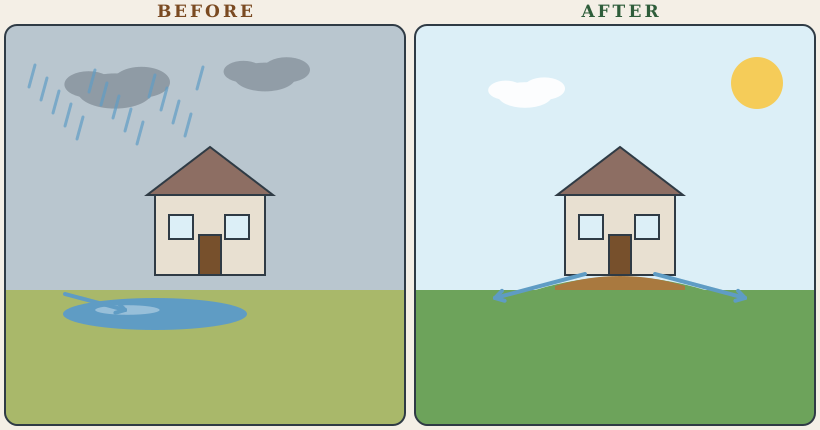
Water pooling against the foundation
Soil around a house settles over the years until the ground slopes toward the walls, sending every rainfall directly at your foundation and into the basement. This 'negative grading' is a leading cause of wet basements. We rebuild positive grade with clean fill and the box blade, sloping the ground away from the house as building practice recommends, so water runs away from the structure instead of into it.
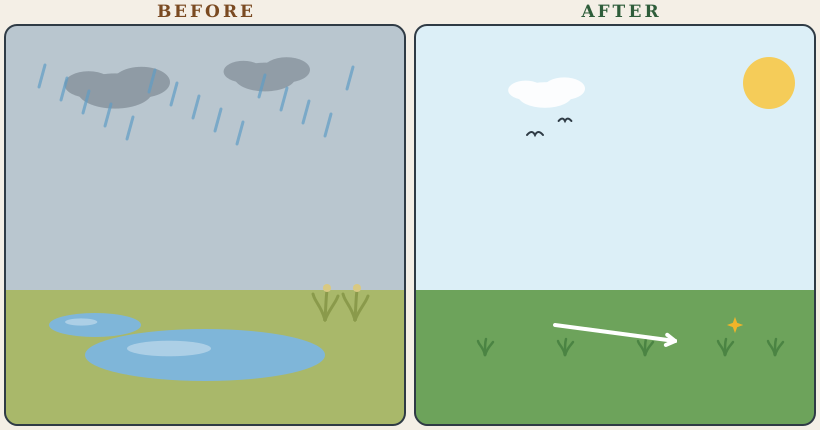
Perpetually soggy lawn on clay soil
Much of York Region sits on dense clay that drains slowly, leaving lawns spongy for weeks each spring. Where regrading alone is not enough, we cut shallow drainage channels with the backhoe, install perforated pipe bedded in gravel, and restore the surface. The lawn stays usable days sooner after rain and thaw, and the clay no longer holds water at the root zone where it suffocates turf.
Needing a French drain but dreading hand digging
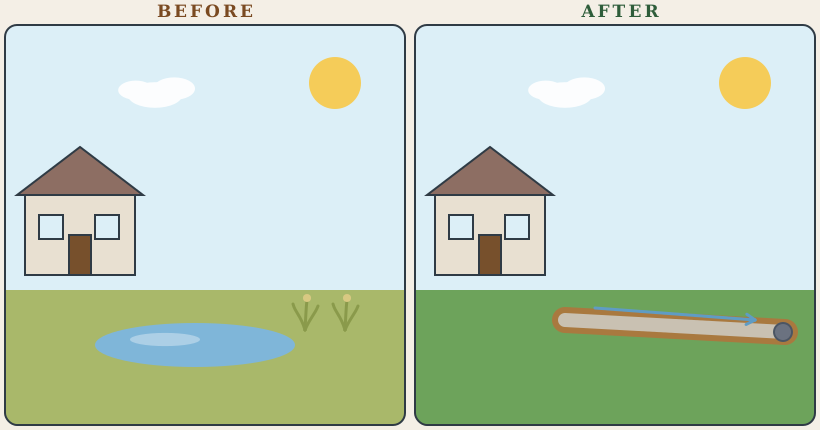
A French drain — perforated pipe in a gravel-filled trench — is the standard fix for chronic subsurface water, but digging fifty feet of trench by hand through clay is brutal work. Our backhoe cuts a clean, consistent-depth trench in a fraction of the time, we place filter fabric, gravel, and pipe to a proper fall, and the bucket backfills and dresses the surface so the finished drain all but disappears into the lawn.
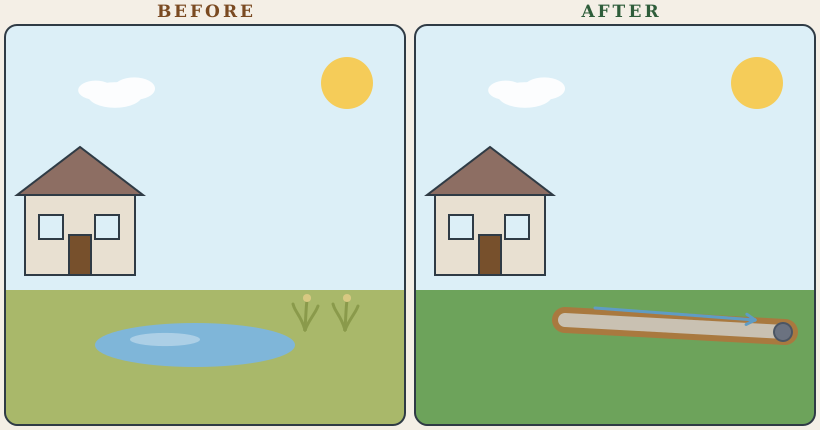
Downspout runoff carving ruts across the yard
A single roof valley can dump hundreds of litres onto one spot in a storm, carving ruts and washing out garden beds. We trench from the downspout to a safe discharge point, install solid pipe to carry roof water well away from the house, and regrade the eroded path. The gutter system finally finishes its job — moving water off the roof and off your property's problem areas.
Runoff from a neighbouring property crossing your yard
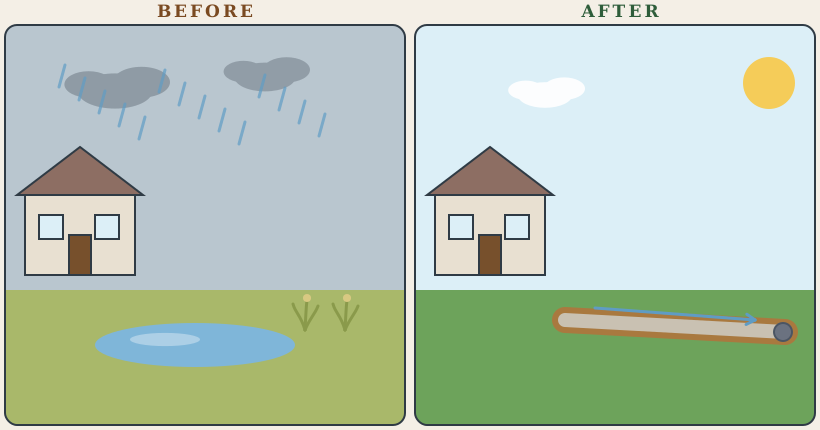
When higher ground next door sheds water across your lot, the fix is usually a swale — a broad, shallow, grassed channel that intercepts the flow and steers it to a legal outlet along the property line. We shape swales with the box blade so they carry water invisibly: mowable, walkable, and dry within hours of a storm. It is the gentlest and most durable way to redirect surface water.
Roadside or rear-lot ditch filled in and overgrown
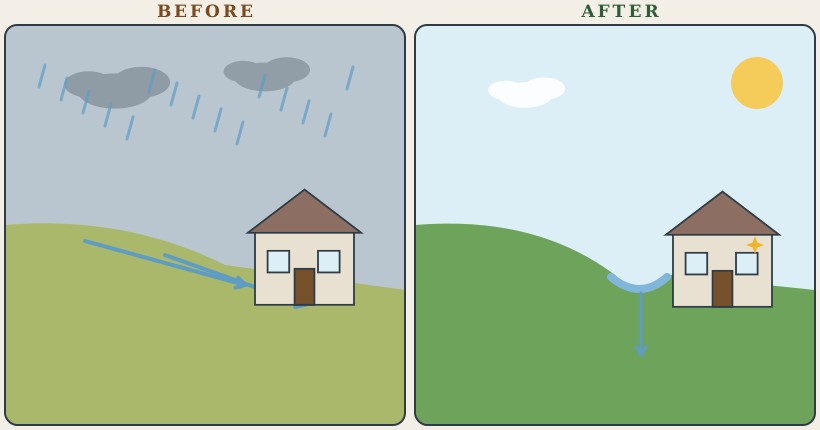
Rural and estate lots across King, Whitchurch-Stouffville, and East Gwillimbury rely on open ditches that silt in and choke with brush over the years, backing water onto the property. We clear the woody growth, chip it on site, and re-cut the ditch to grade with the backhoe so it flows again. Where a municipal road ditch is involved, we work to the standards your local municipality requires.
A low, muddy spot that swallows the lawn mower
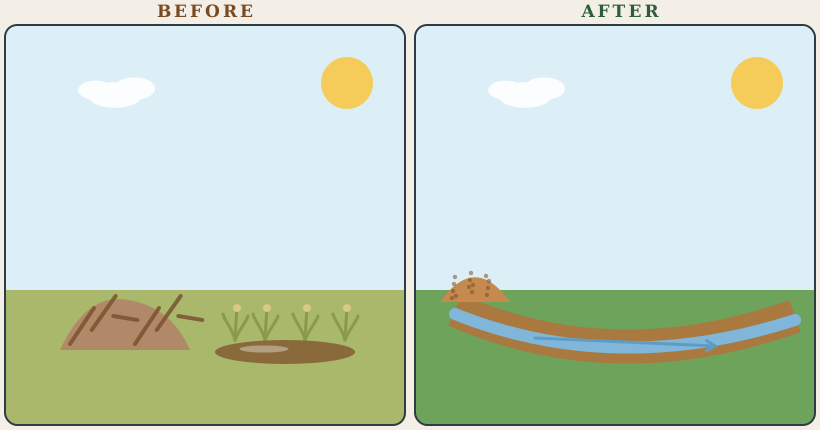
That one soft, muddy hollow where the mower bogs down is usually an old stump hole, a settled utility trench, or a filled pond finding its level. We open the spot, remove the spongy organic material that keeps settling, backfill with compacted structural fill, cap it with topsoil, and blend the grade into the surrounding lawn. Done properly once, it stops sinking for good.
Sump pump discharge flooding the same corner of the yard
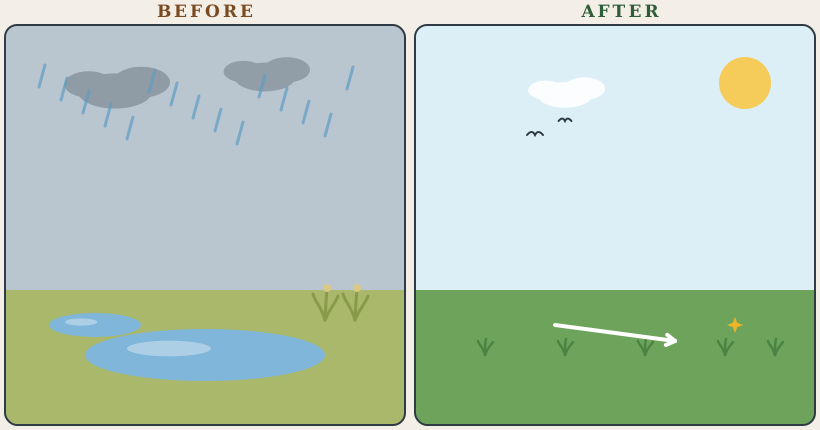
A sump pump that discharges beside the foundation just recirculates the same water — and in winter it builds an ice sheet across the lawn or walkway. We trench and bury a discharge line that carries pumped water to a downhill outlet or dry well, with the fall needed to drain empty between cycles so it resists freezing. Your pump runs less, and the swamp at the discharge point disappears.
Bare slope eroding a little more every storm
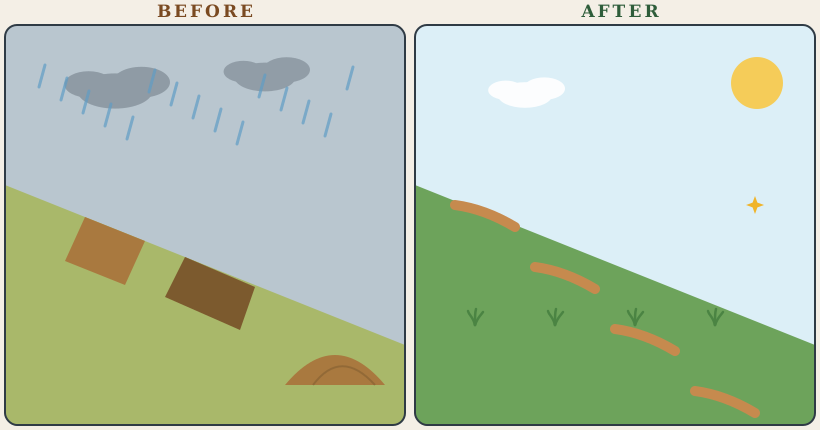
Once a slope loses its vegetation, every rain strips more soil, cutting gullies and dumping sediment at the bottom. We reshape the slope to a stable angle, cut small diversions above it to take the water pressure off, and dress the face with wood-chip mulch — often chipped from trees on your own property — to hold moisture and soil while new ground cover establishes. The erosion cycle stops instead of accelerating.
Ready to fix yours?
Every solution on this page is a service we provide across York Region, Ontario — Aurora, Newmarket, Richmond Hill, Vaughan, Markham, King, Whitchurch-Stouffville, East Gwillimbury, Georgina. Get a free estimate