
Problem library
Garden & Soil Preparation Problems we solve in York Region
Great gardens start below the surface. The rototiller on our Kubota L3902 turns compacted clay, tired lawn, and weed-choked ground into deep, workable soil in a fraction of the time hand tools allow.
On this page
- Breaking ground for a first vegetable garden
- Soil so compacted water just runs off it
- A weedy, patchy lawn that needs a fresh start
- A pile of compost or manure that needs mixing in
- Garden beds surrendered to weeds and roots
- Converting lawn to a wildflower meadow
- Wanting a big pumpkin patch or sweet-corn plot
- Turning under the garden at season's end
- Filling raised beds without a hundred wheelbarrow trips
- Lawn shredded by grubs, skunks, and raccoons
Breaking ground for a first vegetable garden
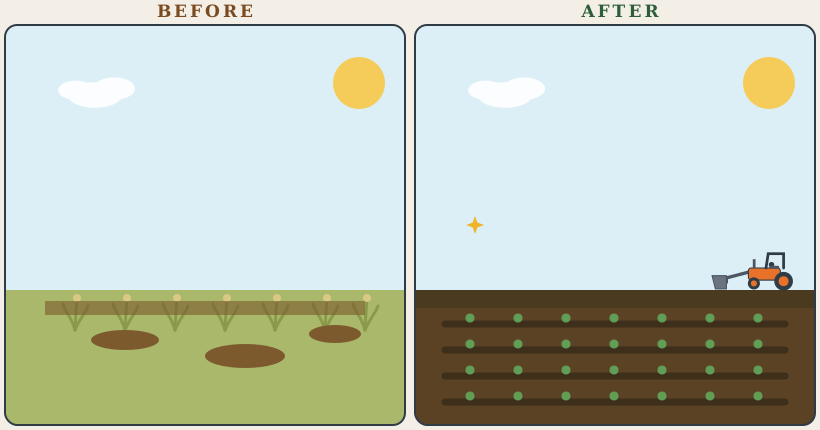
Turning lawn into a vegetable garden by shovel is the chore that kills more garden dreams than any pest. Our tractor-mounted rototiller breaks the sod, pulverizes the root layer, and tills the bed twenty centimetres deep in a couple of passes — a weekend of digging compressed into an hour. We can till in compost at the same time, leaving you a dark, level, plant-ready bed the same day the lawn came out.
Soil so compacted water just runs off it
Ground that hosted construction traffic, parking, or decades of footsteps packs so dense that rain sheets off and roots cannot penetrate — plants sit in it like pots. Deep tilling fractures the compacted layer and, blended with coarse compost, rebuilds the pore space that lets water, air, and roots move again. One mechanical loosening with organic matter folded in achieves what years of surface aeration only nibble at.
A weedy, patchy lawn that needs a fresh start
When a lawn is more weeds and bare patches than grass, patch-seeding is throwing money at a lost argument. The reset: till the old surface under, regrade with the box blade to fix the bumps and puddling that helped kill it, rake to a fine seedbed, and start clean with quality seed or sod. A renovated lawn establishes fast on tilled ground, and you fix drainage and levelness in the same operation — the problems seed alone never touches.
A pile of compost or manure that needs mixing in
Compost left sitting on the surface feeds the weeds; its value is realized when it is blended through the root zone. We spread your delivered compost or aged manure evenly with the loader, then till it into the top layer of soil where roots and soil life can reach it. For heavy clay, this is the single most effective improvement there is — done at tractor scale, an entire garden's soil is transformed in an afternoon.
Garden beds surrendered to weeds and roots
A bed lost to quackgrass, goutweed, and self-sown shrubs will not be weeded back — the root mat has to go. We strip the infested top layer, remove the woody invaders, till what remains, and reset the bed with clean soil and a thick chip mulch that smothers the stragglers. Persistent spreaders may need a follow-up pass, and we say so honestly; reclaiming a bed is a campaign, and we bring the artillery.
Converting lawn to a wildflower meadow
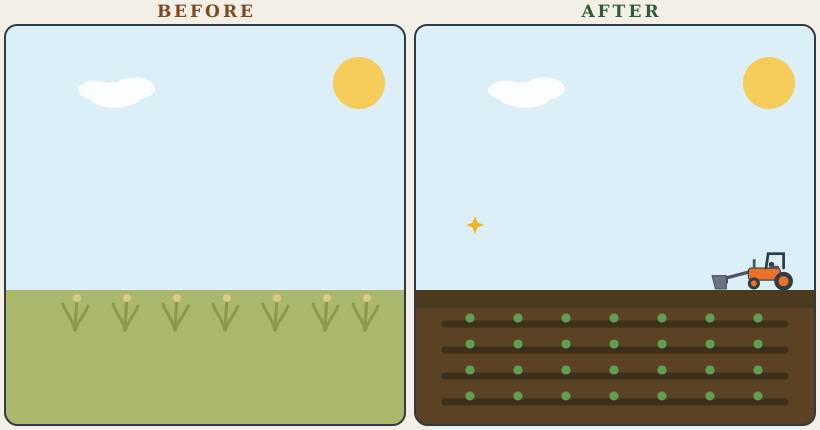
Scattering wildflower seed into an existing lawn fails almost every time — turf grass outmuscles seedlings before they establish. Real meadow conversion starts with eliminating the turf: we till the area, let the disturbed weed seeds flush, till again shallow to knock them down, and leave a clean, firm seedbed ready for a proper meadow mix. Done in the right season, it establishes a self-sustaining stand that trades weekly mowing for one cut a year.
Wanting a big pumpkin patch or sweet-corn plot
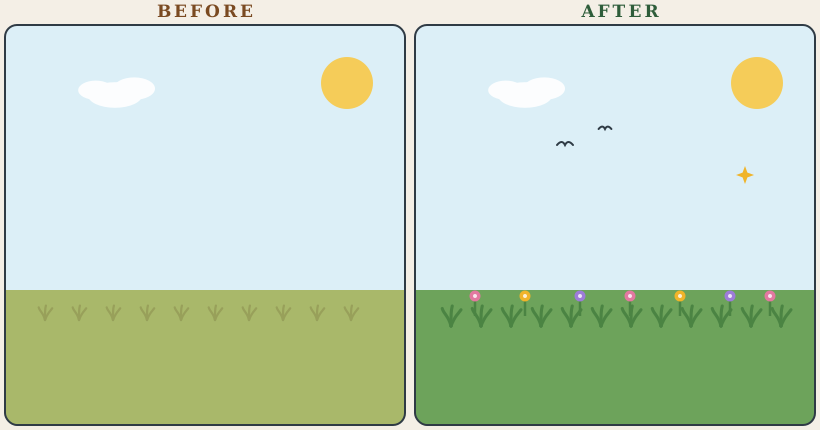
Sweet corn, pumpkins, and potatoes need field-scale space that no walk-behind tiller handles happily. Our tractor tiller works plots measured in fractions of an acre as easily as garden beds — first-pass sod breaking in spring, or an autumn till that lets winter frost mellow the clods for planting. For rural properties in Georgina, King, and East Gwillimbury, it is the difference between gardening and wrestling.
Turning under the garden at season's end
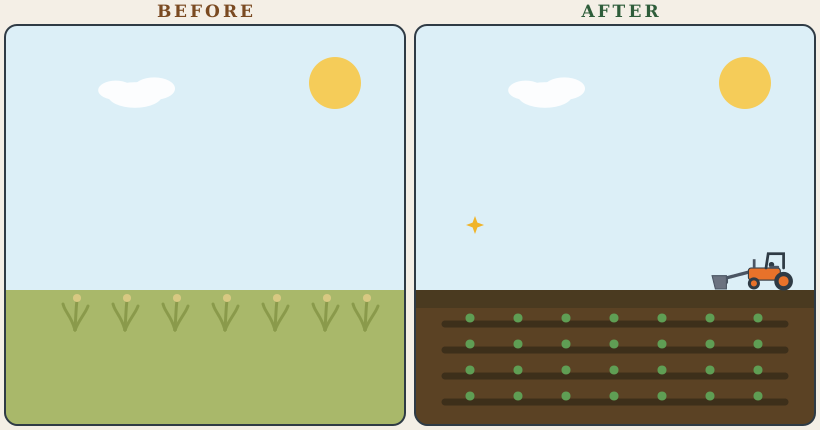
An autumn till turns spent vines, stalks, and a layer of leaves back into the soil, where they decompose over winter into next year's fertility instead of harbouring pests on the surface. Frost then works the rough-tilled clods apart, so spring planting starts with soil that crumbles instead of clumps. It is a one-hour visit that improves the garden twice: cleanup now, better tilth in May.
Filling raised beds without a hundred wheelbarrow trips
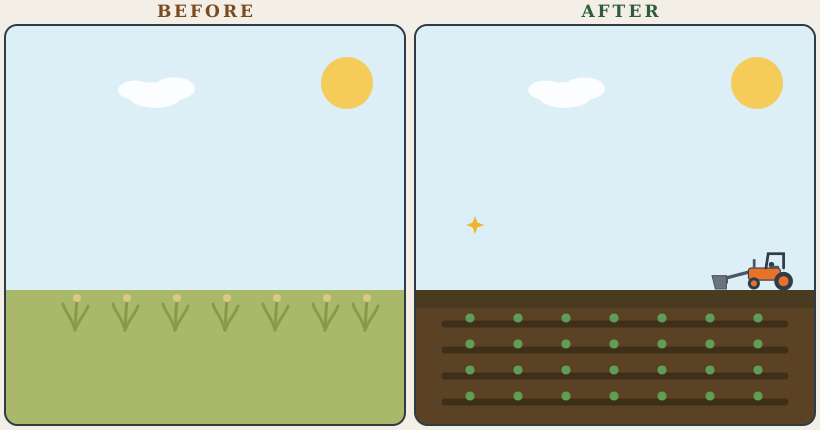
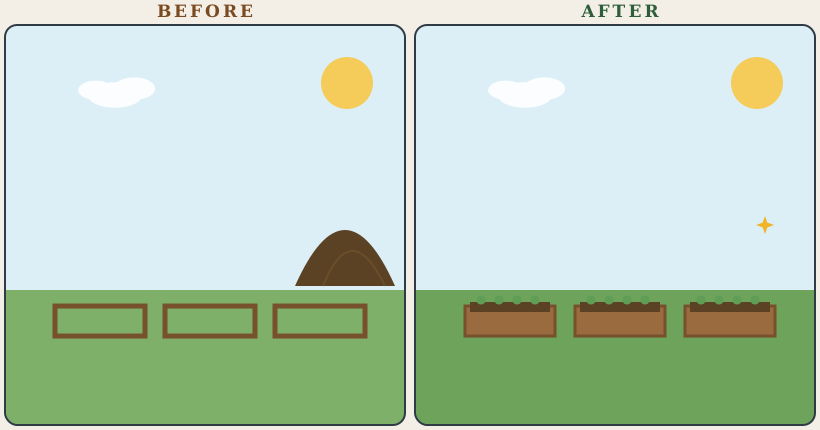
Raised beds devour more soil than anyone estimates — a handful of generous beds swallows many cubic yards, which is a punishing number of wheelbarrow loads from the driveway. We loosen the ground under each bed so drainage and roots continue downward, then fill the frames by loader bucket with a blended garden mix, topped and raked ready to plant. The pile disappears from your driveway before the day is out.
Lawn shredded by grubs, skunks, and raccoons
When skunks and raccoons peel back turf hunting grubs, they finish the destruction the larvae started, leaving a lawn that looks rototilled by vandals. We complete the job properly: till the damaged areas, regrade them level, and prepare a seedbed for renovation with grub-resistant overseeding practices. Address the grub pressure and the diggers lose interest; repair the surface right and the lawn comes back denser than before.
Ready to fix yours?
Every solution on this page is a service we provide across York Region, Ontario — Aurora, Newmarket, Richmond Hill, Vaughan, Markham, King, Whitchurch-Stouffville, East Gwillimbury, Georgina. Get a free estimate