Problem library
Hazardous Tree Problems we solve in York Region
Dead, dying, and storm-damaged trees are the most urgent problems we handle. We remove hazardous trees safely with professional chainsaw work, chip the debris on site, and can turn the wood into mulch or firewood instead of a disposal bill.
On this page
- A dead tree standing within reach of the house
- Ash trees killed by the emerald ash borer
- A storm-shattered tree hanging over the yard
- A tree leaning a little more every year
- Mushrooms and hollows at the base of a big tree
- A tree or limb already down on a fence or shed
- A problem tree in a fenced backyard with no gate access
- A tree growing into the electrical service wires
- A fast-growing poplar or willow constantly dropping limbs
- A windbreak row of spruce browning from the bottom up
A dead tree standing within reach of the house
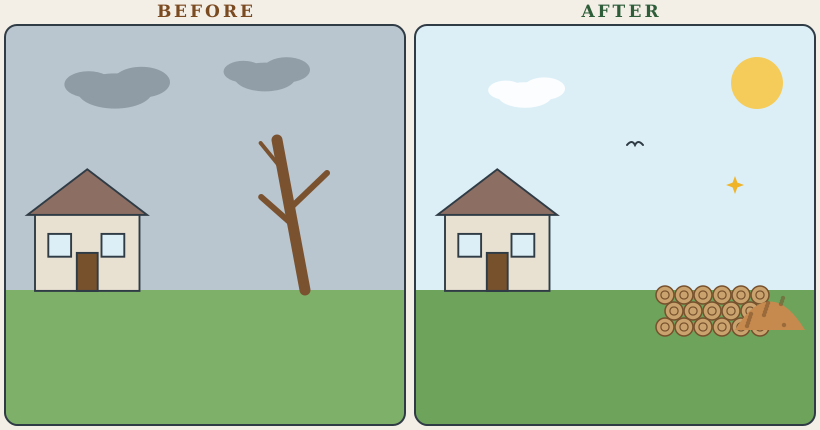
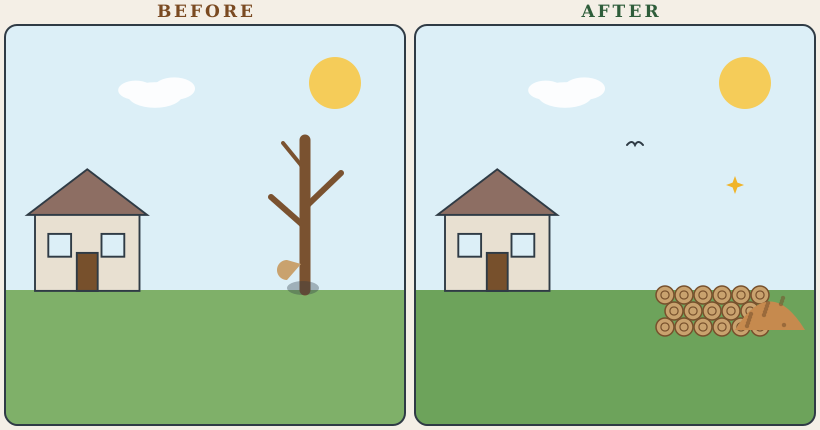
A dead tree does not announce when it will fail — it simply sheds limbs or falls, and if the house is within its height, the house is in play. We dismantle dead trees in controlled sections, lowering wood away from structures rather than felling whole, then chip the brush on site. The trunk can leave as firewood you keep, dramatically cutting the disposal cost that makes many homeowners delay this critical job.
Ash trees killed by the emerald ash borer
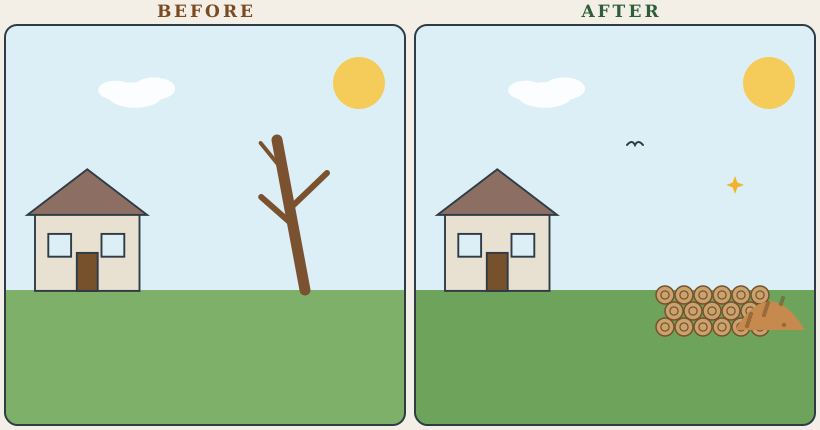
The emerald ash borer has killed ash trees across Ontario, and dead ash is uniquely dangerous: it becomes brittle fast, shedding large limbs unpredictably, which is why it should come down sooner rather than later. We remove dead and declining ash before it becomes unclimbable and far more expensive to take down. Chipping and processing the wood on site also avoids transporting ash material unnecessarily.
A storm-shattered tree hanging over the yard
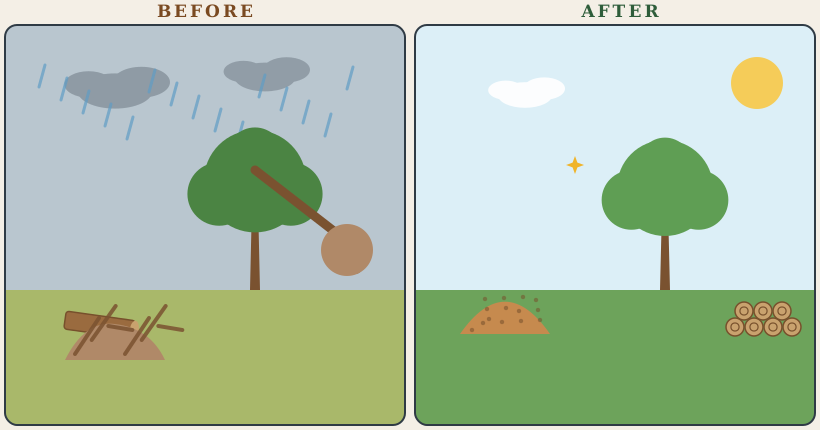
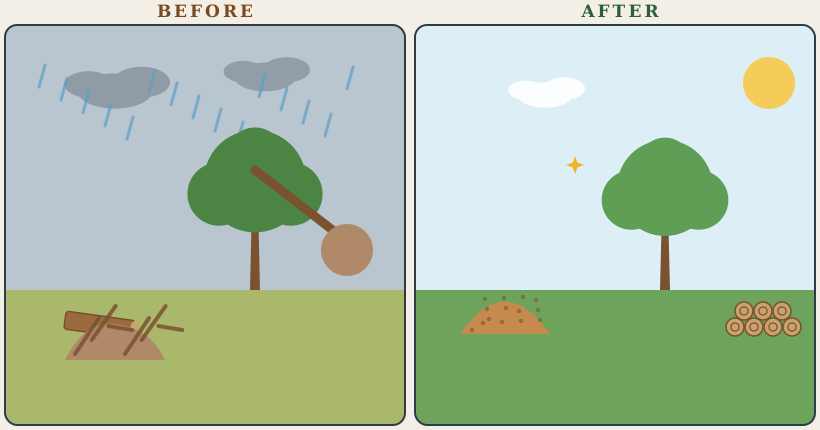
After a wind or ice storm, a tree with cracked limbs and hung-up branches — 'widow-makers' in logger's language — is more dangerous than it looks, because the broken wood is loaded like a spring. We bring the hangers down under control, remove the damaged sections, and clean-cut the tears so what remains of the tree can compartmentalize the wounds. The debris is chipped where it fell instead of dragged across your lawn.
A tree leaning a little more every year
Many trees lean harmlessly their whole lives — the concern is a lean that is new or increasing, or soil lifting on the back side of the roots, which signals the root plate is failing. We assess whether the tree can be retained, cabled, or pruned to reduce the load, and where removal is the safe answer, we fell or dismantle it in the direction of our choosing rather than the tree's. Acting while the lean is small keeps every option open.
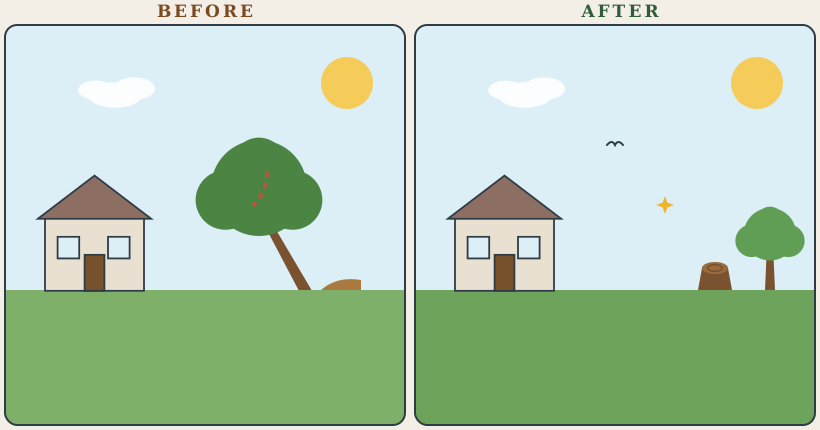
Mushrooms and hollows at the base of a big tree
Fungal shelves and cavities at a tree's base are visible evidence of internal decay in the very wood that holds the tree up. Not every hollow tree is a hazard — trees engineer around loss remarkably well — but a decaying trunk next to a target like a house, driveway, or play area deserves a hard look. We evaluate the tree's condition and either reduce its risk through pruning or remove it in controlled sections before gravity decides.
A tree or limb already down on a fence or shed
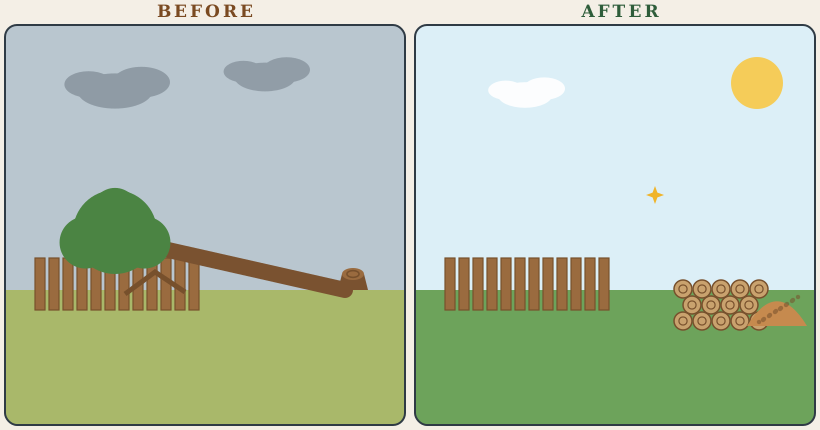
A tree resting on a structure is under tension and compression in ways that make casual cutting genuinely dangerous — the wrong cut can make the load lurch. We relieve the pressure with sequenced cuts, lift sections clear with the tractor where needed, and remove the tree without adding to the damage. Then we chip the brush, buck the trunk, and haul away what you do not want, so the repair crew can get at the fence or roof.
A problem tree in a fenced backyard with no gate access
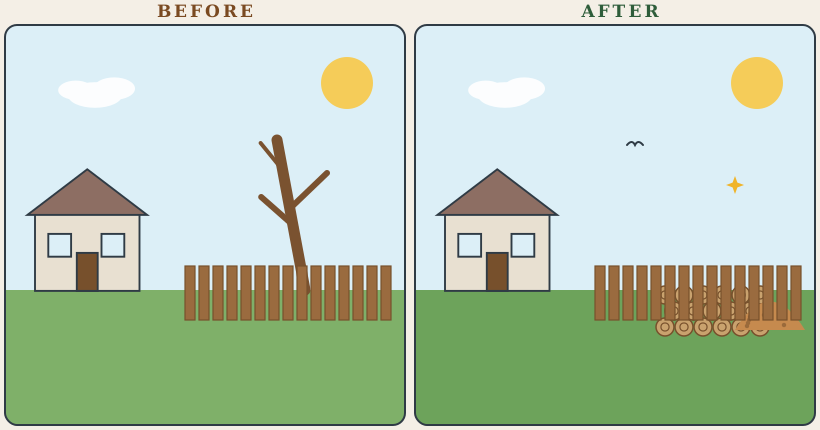
Big removal companies often price fenced backyards high because their trucks and cranes cannot reach. Our approach is deliberately compact: climbers and rigging bring the tree down piece by piece within the yard, and wood is moved out through the gate or passed over the fence in manageable sections. The chipper stays at the curb. Tight access changes the method, not the possibility — and our overhead is sized to keep it affordable.
A tree growing into the electrical service wires
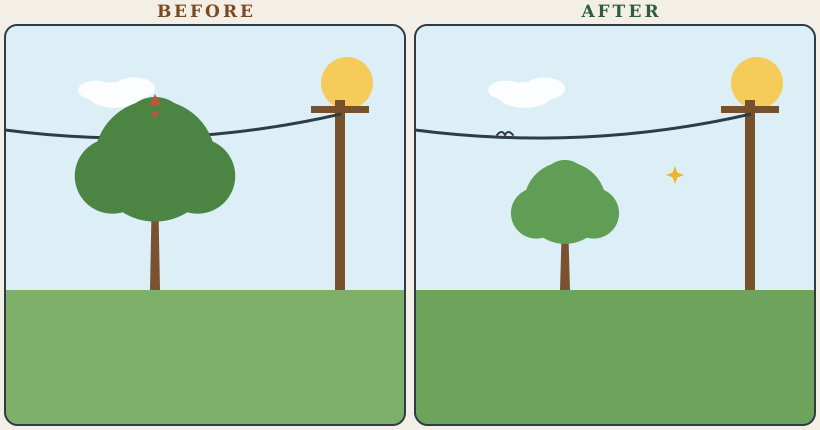
Trees and energized wires are a hard legal and safety line: in Ontario, work near live utility conductors is restricted to qualified utility arborists, and the local utility must be involved before anyone cuts there. What we do is everything else — coordinating with your utility or its contractor to clear the conductors, then pruning or removing the rest of the tree once the hazard is controlled. Never let an uninsured 'guy with a saw' near wires; the stakes are lethal.
A fast-growing poplar or willow constantly dropping limbs
Poplars, silver maples, and willows grow fast by building weak wood, and mature specimens rain deadfall on lawns, roofs, and parked cars with every windstorm. Depending on the tree and its targets, the answer is a structural reduction to shorten the levers, or replacement with a stronger species. Either way, the armfuls of brittle brush become clean wood chips on site, and larger wood becomes quick-drying firewood.
A windbreak row of spruce browning from the bottom up
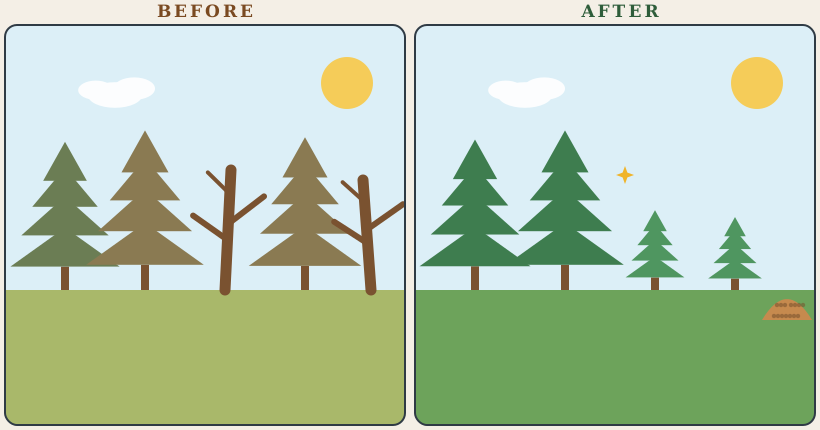
Mature spruce and cedar rows across York Region are declining from needle cast fungi, drought stress, and simple old age — browning from the bottom up until whole trees stand dead in the line. Dead conifers are extreme fire and windthrow candidates. We remove the dead and failing stems, chip the limbs into windbreak mulch, and can prepare the planting line for a replacement row, staging the work over seasons if you want to keep some screening throughout.
Ready to fix yours?
Every solution on this page is a service we provide across York Region, Ontario — Aurora, Newmarket, Richmond Hill, Vaughan, Markham, King, Whitchurch-Stouffville, East Gwillimbury, Georgina. Get a free estimate