Problem library
Tree Trimming, Cabling & Preservation Problems we solve in York Region
The best tree is usually the one you already have. Pruning, cabling, and structural care let mature trees stay safe and healthy for decades — removal is the last resort, not the first quote.
On this page
- Branches scraping the roof and filling the gutters
- A storm-split fork you don't want to lose the tree over
- A V-shaped double trunk with bark trapped in the joint
- Dead limbs dropping from an otherwise healthy tree
- A canopy so dense the lawn beneath it is dying
- Low limbs blocking the walkway, driveway, or mower
- Old fruit trees gone wild and unproductive
- A cedar hedge grown two storeys out of control
- Trees swallowing the view you bought the property for
- Young trees developing bad structure
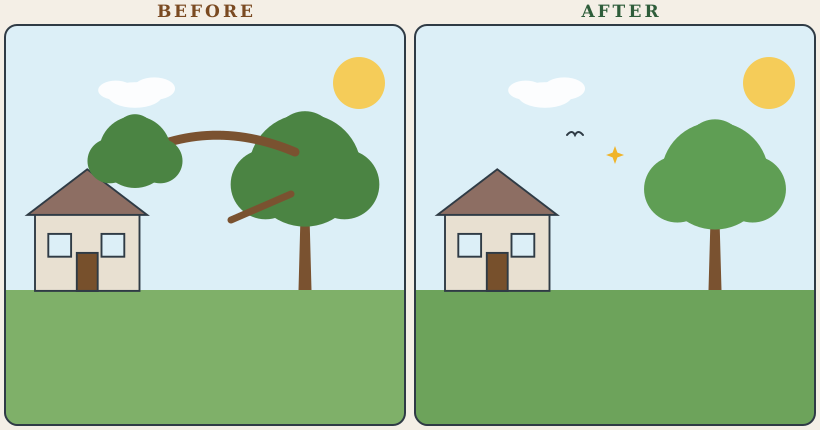
Branches scraping the roof and filling the gutters
Limbs over the roof abrade shingles in the wind, load the gutters with leaves, and give squirrels and raccoons a bridge to your attic. We prune the overhanging limbs back to sound laterals — proper cuts at the right locations, not stubs — restoring clearance between canopy and roofline. The tree keeps its shape and health, your roof stops being sanded on windy nights, and the brush leaves as clean chips.
A storm-split fork you don't want to lose the tree over
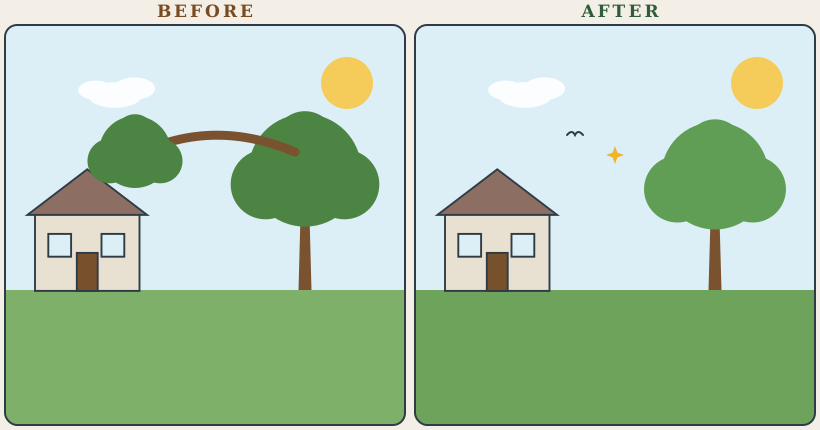
When a major fork begins to split, removal is not the only option. A properly installed support cable high in the crown limits how far the two halves can move apart, taking the peak loads off the damaged union while the tree grows reinforcing wood around it. Combined with pruning to lighten the affected limbs, cabling routinely saves mature trees that would otherwise be condemned — at a fraction of the cost of removing and replacing a fifty-year-old asset.
A V-shaped double trunk with bark trapped in the joint
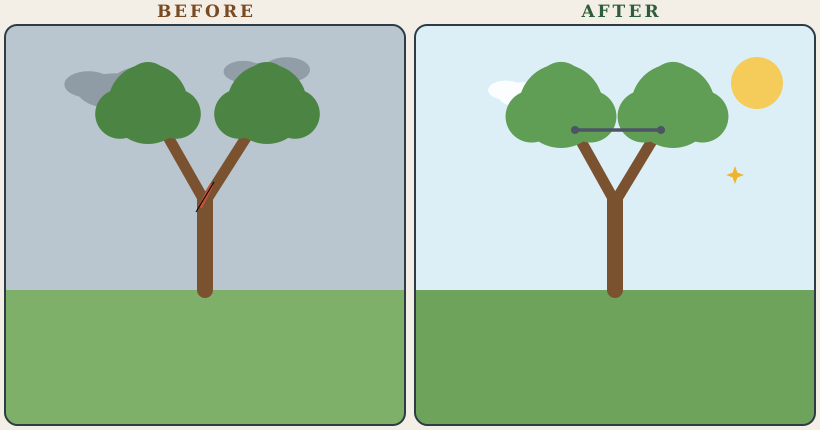
Two trunks rising from a tight V often have bark pinched inside the union instead of connected wood — a hidden fault line that fails most often in summer storms when the crown is heavy with leaf. Installed before failure, a cable system between the stems is preventive medicine: it costs little, is invisible from the ground, and converts your tree's riskiest defect into a managed one that gets inspected on a simple schedule.
Dead limbs dropping from an otherwise healthy tree
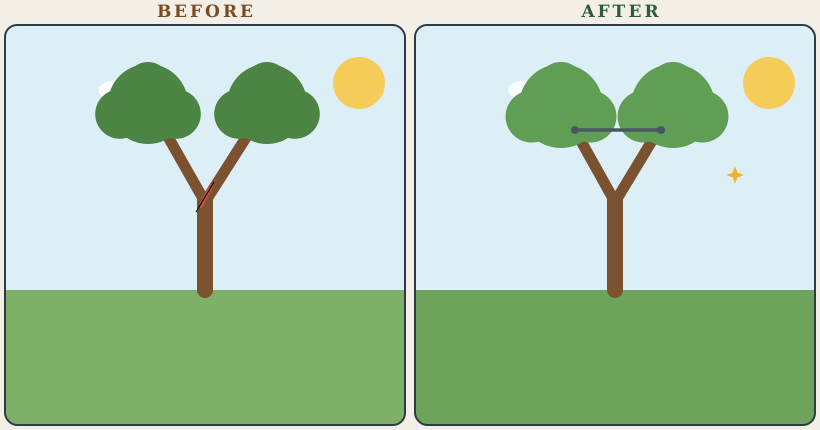
Every mature tree carries some deadwood, but dead limbs over patios, driveways, and play areas are hazards on a delay timer — they let go on calm days as often as storms. Deadwooding removes the dead and dying branches back to live wood, instantly making the space beneath the canopy safe to use again. It is also the cheapest tree care there is, since the tree suffers no loss of live foliage at all.
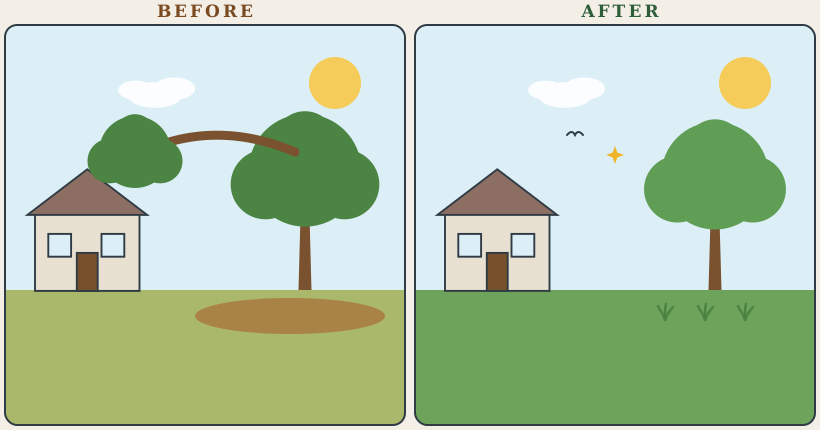
A canopy so dense the lawn beneath it is dying
Under a canopy that blocks nearly all light, grass thins to moss and bare dirt no matter how much seed you throw at it. Selective crown thinning removes a modest share of interior branches, letting dappled light and air move through while preserving the tree's natural outline. The lawn beneath recovers, wind passes through the crown instead of pushing on it like a sail, and the tree looks lighter, not butchered — we never top trees.
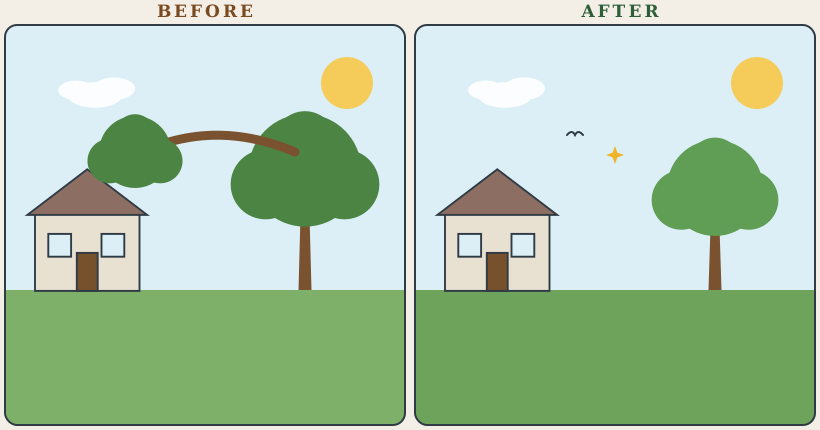
Low limbs blocking the walkway, driveway, or mower
When you duck under the same branch every time you mow, or tall vehicles brush the tree over the driveway, the crown has grown down into your living space. Crown raising removes or shortens the lowest limbs to establish clean clearance over paths, drives, and lawn. Done gradually and cut properly at the branch collar, it is one of the most satisfying prunes we do — the whole yard feels bigger the same afternoon.
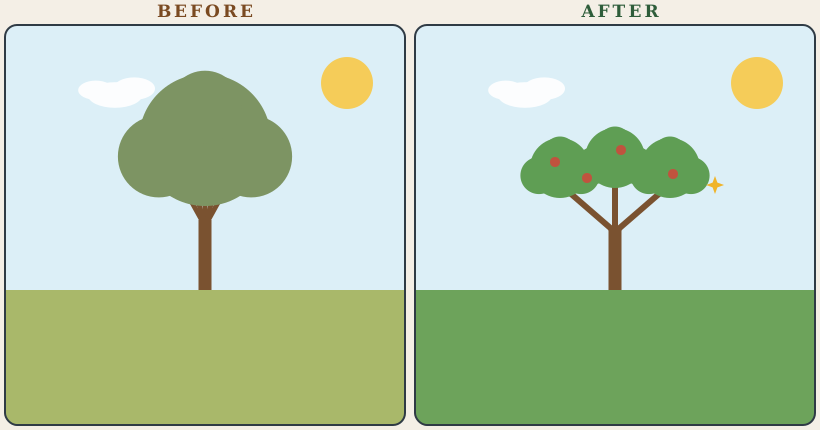
Old fruit trees gone wild and unproductive
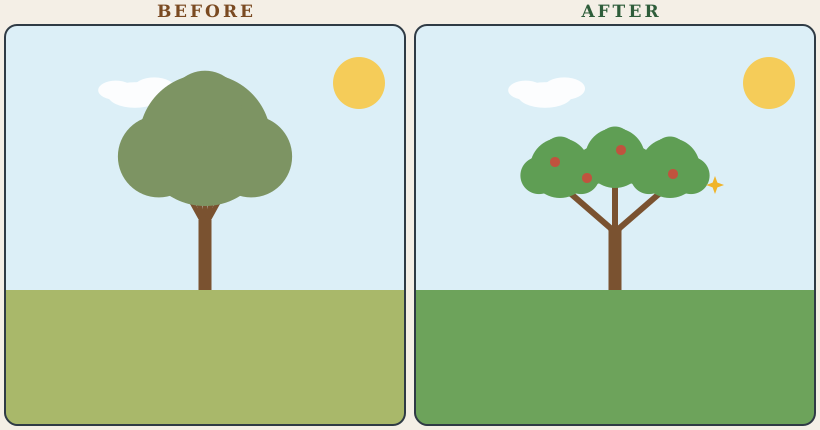
An apple or pear tree left unpruned becomes a thicket of crossing watersprouts that bears small, diseased fruit high out of reach. Restoration pruning works over two to three seasons: opening the centre to light, removing the rubbing and vertical growth, and bringing the bearing wood back down to picking height. The reward is a tree that looks like the ones in the storybooks — and fruit you can actually harvest.
A cedar hedge grown two storeys out of control
A cedar hedge skipped for a few years grows tall, wide, and hollow-sided, shading gardens and looming over the neighbour's fence. We reduce height and width in stages that respect how cedar regrows — cutting into bare inner wood kills the face, so timing and restraint matter. The clippings are chipped on site into mulch that goes right back under the hedge, where it suppresses weeds and holds moisture.
Trees swallowing the view you bought the property for
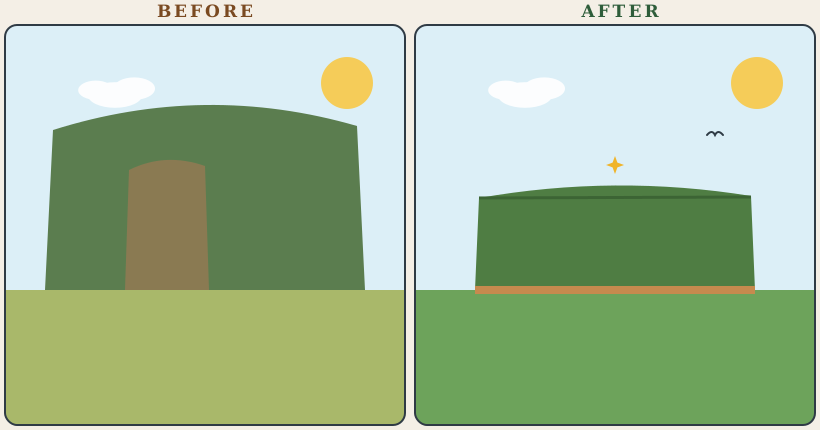
You do not have to choose between the trees and the view. Vista pruning creates windows through the canopy — selectively removing or shortening the specific limbs that block the sightline — while keeping the trees' health and screening value intact. It is precision work rather than volume work, and it beats the crude alternative of topping, which ruins the tree and grows back thicker exactly where you did not want it.
Young trees developing bad structure
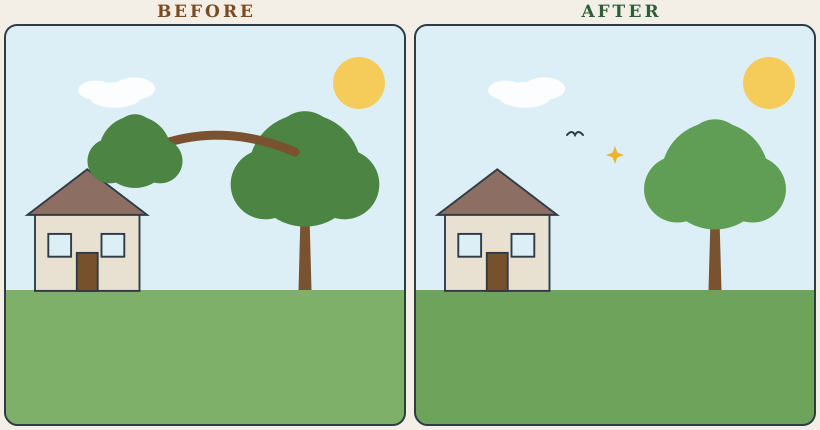
The cheapest pruning cut you will ever buy is on a young tree: removing a competing leader or badly-angled limb at pencil thickness prevents the weak fork that would need a cable — or a removal crew — at maturity. We structure young shade trees in the first ten years so they build one dominant trunk and well-spaced limbs. Twenty minutes now spares you thousands later; it is the closest thing tree care has to compound interest.
Ready to fix yours?
Every solution on this page is a service we provide across York Region, Ontario — Aurora, Newmarket, Richmond Hill, Vaughan, Markham, King, Whitchurch-Stouffville, East Gwillimbury, Georgina. Get a free estimate